
Recraft V4.1
Latest combined model; docs pair it with Recraft V4 Styles.
I opened recraft.ai and landed on a black Studio-forward layout with Geist type, a homepage grid of photoreal scenes, colorful illustrations, vector typography, and mockup stills — all tagged as outputs from their proprietary models, not third-party checkpoints. Recraft notes is a notebook from that visit, not a mirror of their homepage.
I did not log in or spend credits. Mapping the model docs, saving official showcase files, and reading how V4 Styles builds reusable lanes from reference images was enough for one sitting. When you need billing, API keys, and the live composer, use the official Recraft website.
Official assets
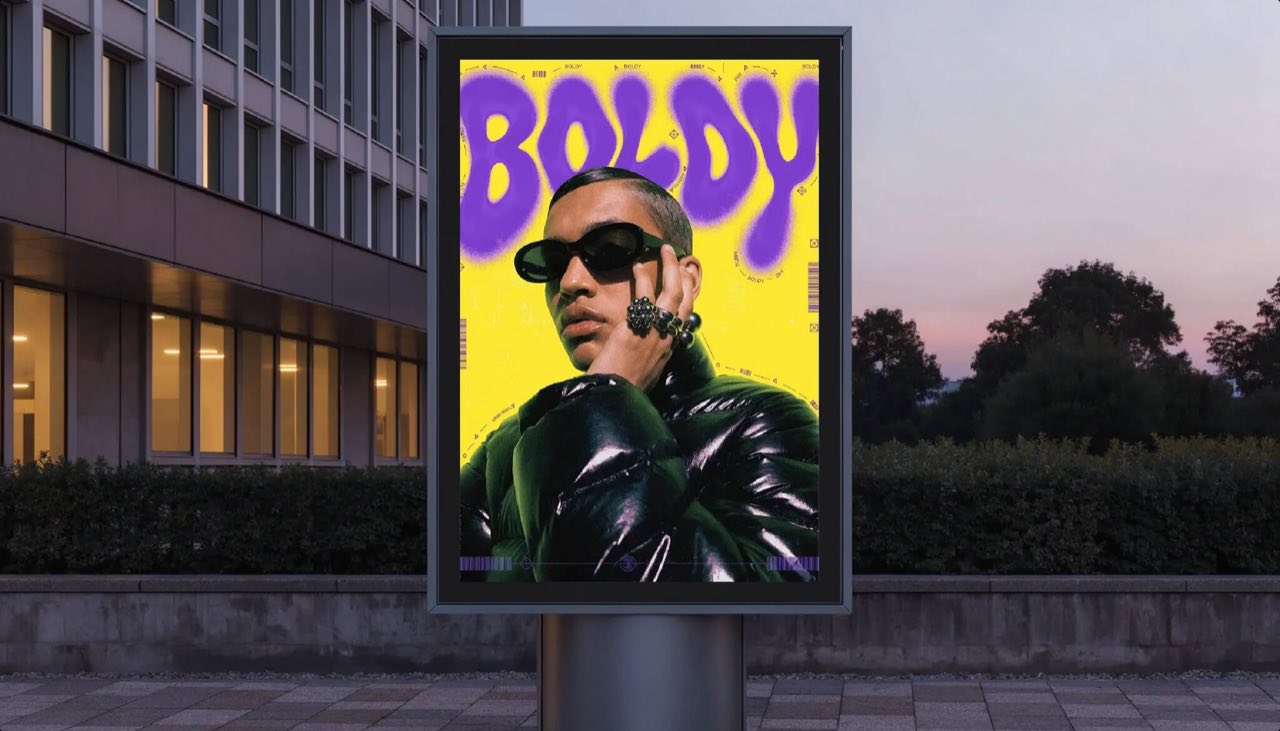
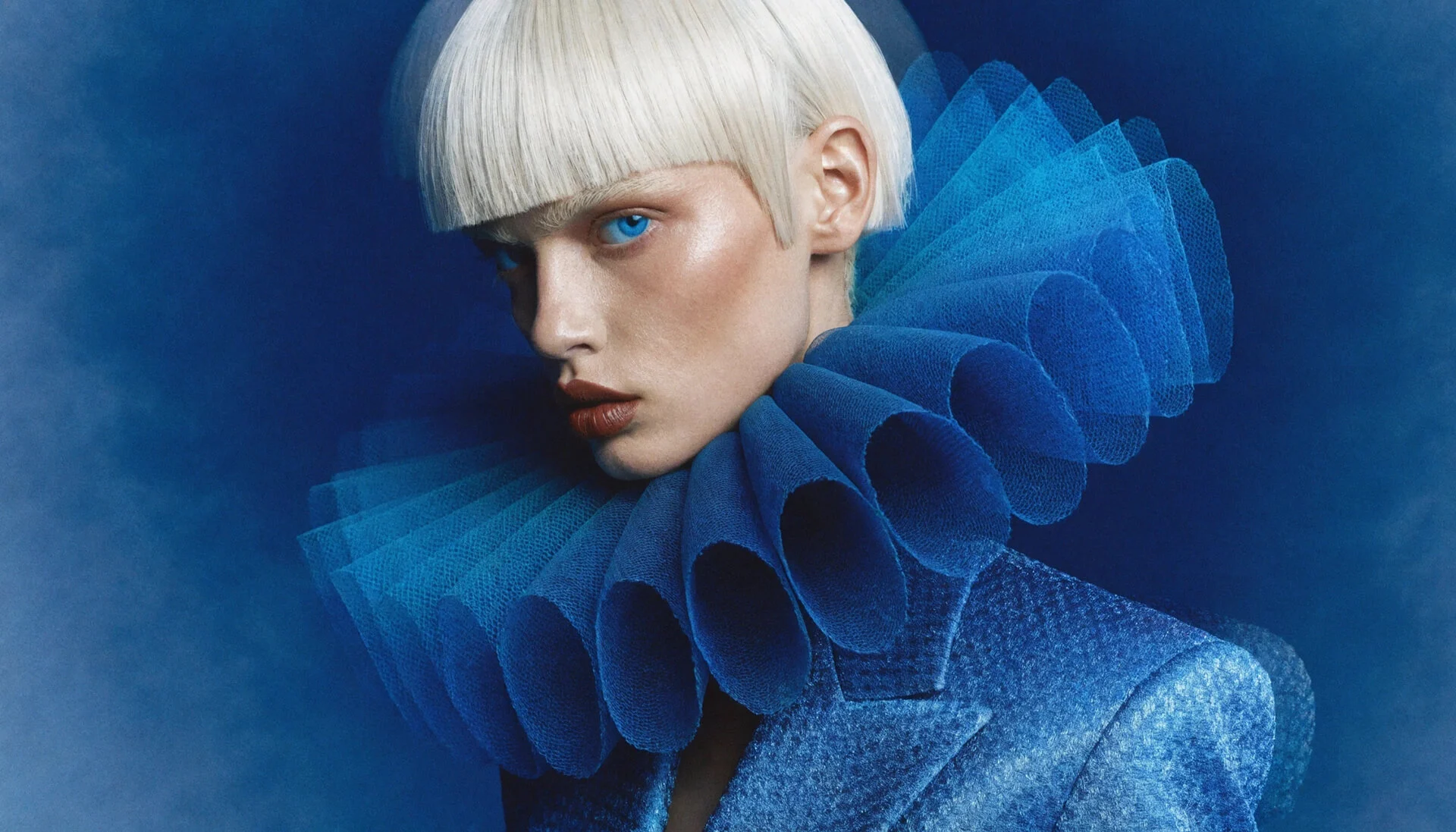
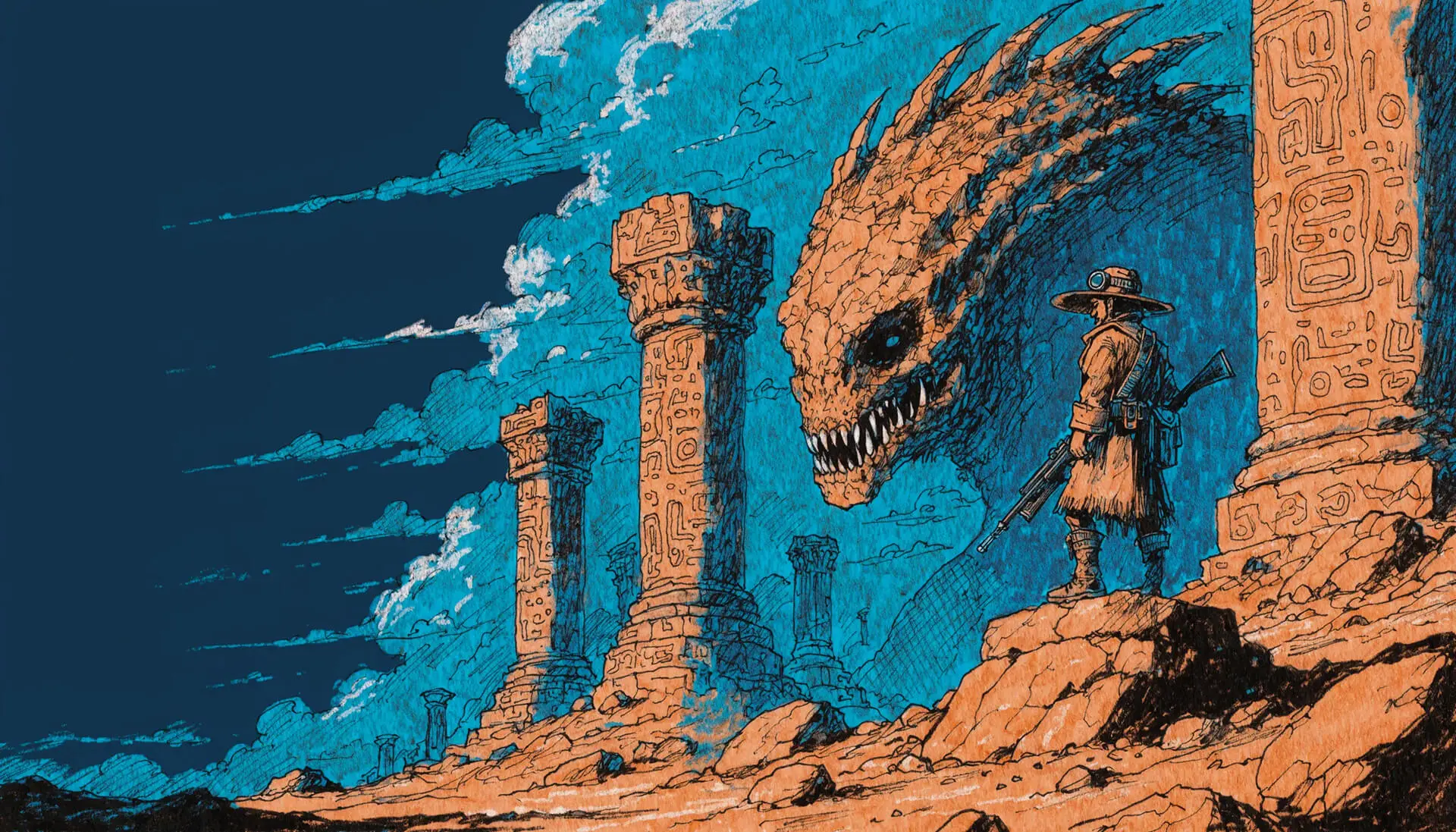
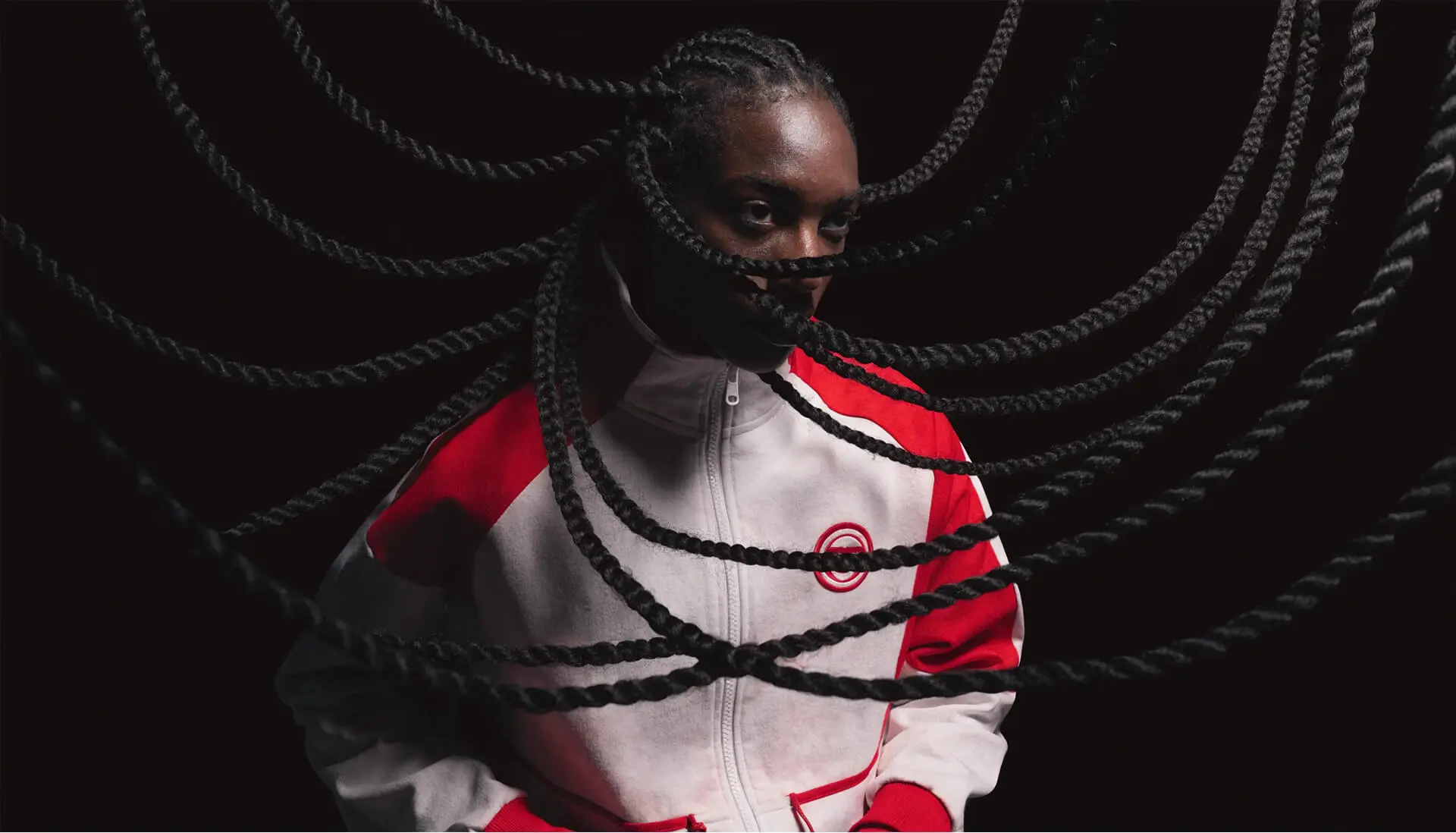
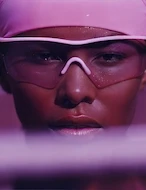
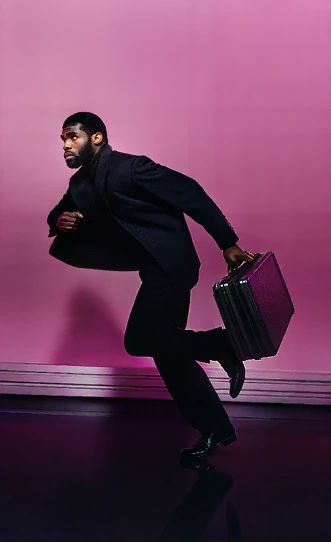
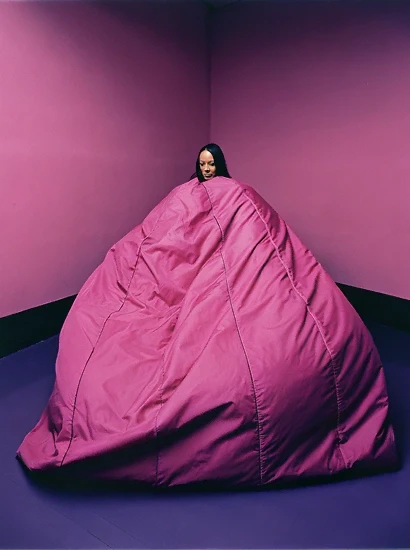
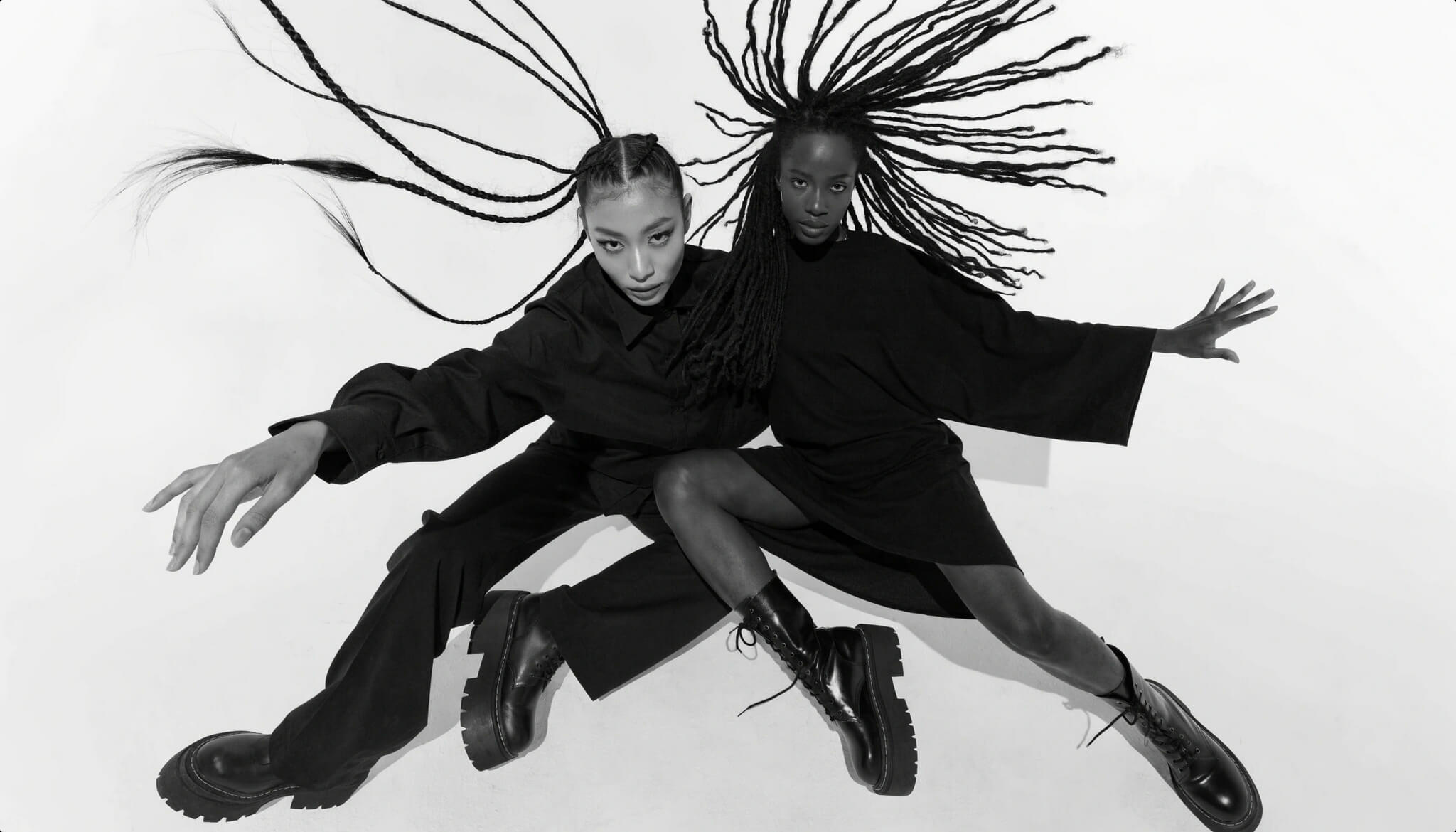
Every file below is from recraft.ai marketing or product grids — not stock filler. Eight cards because eight files downloaded cleanly; I did not pad the grid with placeholders. The mix mirrors what their homepage sells: photoreal, illustration, vector type, design assets, mockups, and style consistency.

What it is
Recraft is an AI design platform built around proprietary models marketed with design taste — meaning outputs aimed at brand, layout, and typographic quality rather than generic “AI art” slop. The public site at recraft.ai presents Studio as the workspace, separate product paths for AI Image Generator, AI Vector Generator, AI Photo Editor, and Mockup Generator, plus API access for teams that want generation inside their own tools.
The current generation story centers on Recraft V4 and Recraft V4.1. Documentation pairs V4.1 with Recraft V4 Styles — a system where you drop reference images to define a reusable visual lane without running a separate training job. That is a different workflow from typing a one-off prompt and hoping the mood sticks; I read it as Recraft’s answer to brand consistency for designers who already have mood boards.
Raster and vector are first-class citizens here, not an afterthought export. Recraft V4 Pro targets high-detail raster work when you need print-ready stills. Recraft V4 Pro Vector ships editable SVG output — paths and typography you can actually adjust in a vector editor, which matters when the deliverable is a logo lockup or icon set, not a flattened PNG. Recraft V3 remains documented for teams still on the previous generation.
Editing tools sit beside generation: upscaler, background remover, eraser-style fixes, and the broader AI Photo Editor path. Mockup Generator is its own product door for product and brand comps — useful when the brief is “show this label on a bottle” rather than “paint a bottle from words alone.” I did not find a consumer video generator on the pages I opened, so this site’s task domain is image and design only.
One thing I noticed on recraft.ai: the chrome uses Geist alongside a dark, design-tool aesthetic — black surfaces, lime accent hits, tight spacing. That visual language matches the positioning: this reads as a designer’s studio, not a social meme factory. I appreciate when the marketing site looks like the product it sells.
For live generation, credits, and API keys, leave this notebook and open the official Recraft website. Primary buttons here open a local dialog — honest about what this site is.
Workflow
Three steps rewritten after I clicked through recraft.ai product paths and model documentation — not a workflow invented for SEO.
AI Image Generator when the deliverable is a raster still. AI Vector Generator or Recraft V4 Pro Vector when you need editable SVG paths. Mockup Generator when the comp is the product shot. I would decide export format before writing the prompt — Recraft’s strength is knowing which door you walked through.
For brand lanes, open Recraft V4 Styles: drop reference images to build a reusable style without training. Docs pair this with Recraft V4.1. I have not stress-tested style hold across fifty outputs without credits, but the workflow is clearly reference-first, not prompt-only.
Use AI Photo Editor tools — upscaler, background remover, eraser — when the first pass is close but not client-ready. Pro tier copy emphasizes high-detail raster and vector for production work. Lock aspect ratio and format before batch runs; Auto is fine for exploration, less fine for print specs.
Product paths
I split these the way the live site does — raster generation, vector generation, image editing, and mockups are different tabs in the story, not one blurred “AI images” bucket.
Scenarios
These match how I would actually open Studio — custom styles for a campaign lane, brand assets for logos and ads, vector SVG when the file must scale, mockups when the product shot is the deliverable.
Lineup
Newest names first, matching the documentation order I saw for V4.1 and V4 Styles, with Pro raster and Pro Vector called out explicitly.
Latest combined model; docs pair it with Recraft V4 Styles.
Custom styles from reference images without training.
High-detail raster generation for print-ready work.
Editable SVG vector output at pro tier.
Core proprietary model for design-taste raster and vector.
Previous generation model still documented on recraft.ai.
Recraft notes is independent. Pricing, credits, API access, and live generation live on the official Recraft website. Model names and spelling follow recraft.ai — not translated or renamed here.
Primary buttons here open a local dialog. Generation, billing, and API keys sit on recraft.ai — start with Recraft V4.1 if you want the latest combined model, or Recraft V4 Pro Vector when SVG paths are the deliverable.
Why it stands out
Recraft markets proprietary models tuned for brand and layout quality — the homepage grid is their proof set for photoreal, illustration, and vector lanes.
Reference images become reusable styles — a workflow designers recognize from mood boards, not from LoRA training docs.
Pro Vector targets paths and typography you can adjust downstream — critical when the client asks for a logo tweak, not a re-roll.
Mockup Generator plus upscaler, background remover, and eraser mean fewer round trips to other tools for a comp that is almost client-ready.
Official API docs position Recraft for integration — useful when generation must live inside a brand portal, not only in the browser Studio.
Fit
Custom styles, mockups, and campaign stills map well to teams that already ship mood boards and need consistent lanes across a set — if V4 Styles holds on your references.
Mockup Generator and high-detail Pro raster target comps that must read as production-ready, not concept sketches.
Vector SVG output and typography-focused samples suggest Recraft expects logo and icon briefs — worth validating on your own paths before a client delivery.
Teams embedding generation in apps or internal tools — the API path is real on recraft.ai, though I did not run production calls for these notes.
Questions
Recraft is an AI design platform at recraft.ai built around proprietary models with what they call design taste — raster and vector generation, editable SVG output, custom styles from reference images, mockups, and a Studio workspace. The homepage I opened led with a marketing grid of photoreal scenes, illustrations, vectors, and mockups, not a generic “type a prompt” toy. This notebook focuses on image and design workflows; I did not find a consumer video generator product on the pages I read.
Six names I kept from docs and product pages: Recraft V4.1 as the latest combined model paired with V4 Styles in documentation, Recraft V4 Styles for reference-image styles without training, Recraft V4 Pro for high-detail raster, Recraft V4 Pro Vector for editable SVG at pro tier, core Recraft V4, and Recraft V3 as the previous generation still documented on recraft.ai. Spelling matches official docs — I did not translate or rename them.
Recraft splits the story cleanly on recraft.ai: AI Image Generator and raster paths for photoreal and illustrative stills, AI Vector Generator and Pro Vector for design-ready SVG with editable paths and typography. I would not merge those into one generic page because export format and editability differ — a PNG comp and an SVG logo brief are different deliverables even when the prompt sounds similar.
V4 Styles let you drop reference images to build a reusable visual lane without a separate training step — the product copy positions it as custom styles from references, not a LoRA workflow bolted on. Docs pair V4.1 with V4 Styles, which tells me the combined model expects that style system. I have not burned credits to compare style hold across twenty generations; I am mapping what the product pages claim.
Yes on the marketing surfaces I opened. Image editing covers AI Photo Editor, upscaler, background remover, and eraser-style tools under the editing product path. Mockup Generator is its own door for product and brand comps in Studio. See Image editing and Mockup generator on this site for short notes — not substitutes for the live tools.
Credits, pricing, API keys, and the live Studio are on the official Recraft website. Primary buttons on this overview open a local dialog, not checkout. I did not sign in for this write-up — I stopped at the marketing layer, saved showcase files, and read the model docs.
Reader notes
Five reader impressions about this overview — not official product reviews.
Maya L.
★★★★★
The V4 Styles section finally explained why my reference board felt different from a LoRA workflow — no training step, just drop images.
Tomás R.
★★★★☆
I checked the model spellings against recraft.ai docs. Recraft V4 Pro Vector is exactly how they write it, not “ProVector” mashed together.
Elena W.
★★★★★
I liked that the author admits not burning credits on Pro. Too many AI reviews pretend they exported print-ready SVGs.
James K.
★★★★☆
Mockup generator as its own category saved me from assuming everything lives inside the raster tab.
Priya S.
★★★★★
Showcase files look like their homepage grid, not random stock. Small detail, big trust signal for a design tool.
When you are ready for credits, API keys, and sign-in, leave this notebook and open recraft.ai.